



BOSTON:- A federal court has completely struck down the Trump administration’s controversial policy of imposing a $100,000 fee on companies that bring skilled foreign workers to the United States. The court issued an order on Monday that completely invalidated the policy.
Judge Leo T. Sorokin of the Federal District Court in Massachusetts ruled that the Trump administration’s move was an illegal tax collection and that it interfered with Congress’s exclusive power to levy taxes.
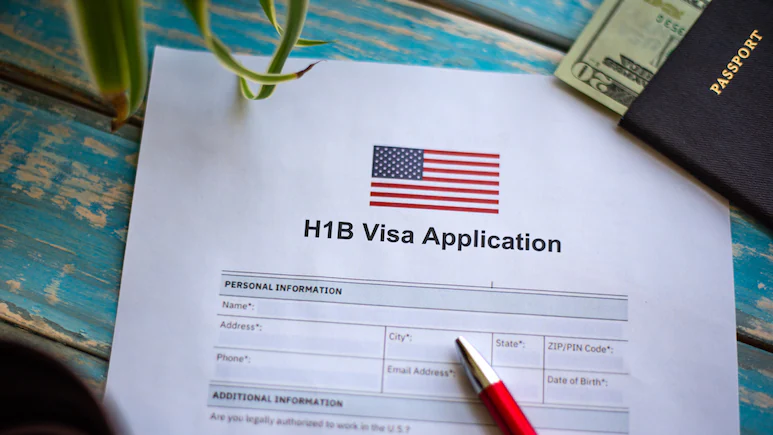
Last September, the Trump administration imposed a $100,000 fee on companies applying for H-1B visas. The administration defended it as a “regulatory payment,” but Judge Sorokin rejected it.
“Defendants have no compelling argument, law, or precedent to establish how this fee is different from a tax or penalty,” he wrote in a 42-page ruling.
The court ruled that the rule was hastily implemented without any public consultation or formal process and that it sought to discourage legal immigration.
The Trump administration had argued that the fee would encourage companies to hire U.S. citizens at higher wages than foreigners. But the rule has particularly hurt small companies, nonprofits, the technology sector, the financial sector, hospitals and universities.
The U.S. makes about 85,000 new H-1B visas available through a lottery process each year. Twenty states, including New York, filed a lawsuit against the policy in December.
New York Attorney General Letitia James welcomed the court’s ruling, saying, “Every day in New York, thousands of H-1B visa holders serve as doctors, teachers, and skilled workers. Today, the court has blocked the administration’s illegal attempt to end this vital program.”
In December, another judge, Beryl Howell, ruled in favor of the Trump administration. But Justice Sorokin, citing past Supreme Court precedent, made it clear that the president cannot impose such taxes or penalties without the consent of Congress.
White House spokeswoman Taylor Rogers said the president’s actions were in the best interest of the United States and that the administration was confident that the court’s order would be appealed to a higher court and that the decision would be overturned.