



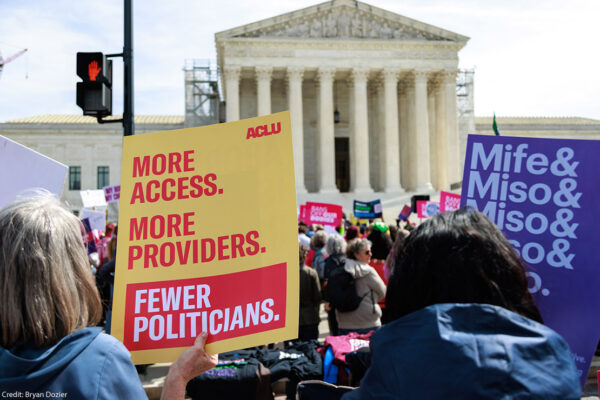
California September 2025: Governor Newsom signed historic legislation to protect access to reproductive health care, including AB 260, allowing health care providers to prescribe abortion care medication anonymously to patients, and AB 1525, which helps protect lawyers who help other states provide access to reproductive care from state bar discipline.
By Purushottam Dhakal, LOS ANGELES:- Four years after the Supreme Court—with its Republican majority under Donald Trump—stripped Americans of their right to reproductive freedom, California has advanced significant efforts to secure access to this vital healthcare service within the state.
Through years of legislation, legal action, and a ballot initiative that included the right to abortion care in the California Constitution, the Newsom administration has prioritized protecting and expanding access to basic health services, supporting California as a reproductive freedom state.
“Four years after the Dobbs decision, millions of women across this country are still facing the consequences of having their fundamental rights taken away,” said Governor Gavin Newsom. “As reproductive rights come under attack, California stands firm. We have strengthened protections for patients and providers, expanded access to contraceptive and reproductive health care, and made clear that everyone deserves the freedom to control their own future.”
“The fight for reproductive freedom does not end with Dobbs,” Newsom said. “We will continue to lead with our values and do everything in our power to protect and expand reproductive rights for all.”
California to Protect Reproductive Freedom In the years since the Supreme Court’s Dobbs v. Jackson Women’s Health Organization decision in 2026, Governor Newsom’s administration has taken continued steps to protect reproductive freedom.
California, February 2026: Governor Gavin Newsom signed SB 106, granting $90 million in one-time emergency funding for Planned Parenthood and other clinics providing reproductive health services following the devastating funding ban in Trump’s Big Ugly Bill.
California January 2026: The state rejected Louisiana’s attempt to extradite a California physician for providing medical abortion care legally in California.
California October 2025: Facing a federal funding freeze, Governor Gavin Newsom announced an investment of more than $140 million in state funds to support Planned Parenthood and other critical health care centers and access points to life-saving care and treatment for millions of Californians.
California September 2025: Governor Newsom signed historic legislation to protect access to reproductive health care, including AB 260, allowing health care providers to prescribe abortion care medication anonymously to patients, and AB 1525, which helps protect lawyers who help other states provide access to reproductive care from state bar discipline.
California’s June 2025: 25-26 budget expanded CalRx’s authority to purchase brand-name drugs, giving California more tools to respond to supply chain disruptions, market manipulation, or politically motivated restrictions that could threaten access to essential drugs, including drugs used for abortion care.
California May 2024: Governor Newsom signed SB 233 with the Legislative Women’s Caucus, allowing Arizona abortion providers to temporarily provide abortion care to Arizona patients who travel to California for care after the Arizona Supreme Court ruled to reinstate a regressive 1864 law that imposed a near-total abortion ban in their state.
California January 2024: The Reproductive Freedom Coalition, led by Governor Newsom, filed an amicus curiae brief with the U.S. Supreme Court in a case against the Food and Drug Administration, etc., arguing that if the court allows the Fifth Circuit’s decision to deny FDA approval of mifepristone to stand, it will have far-reaching implications beyond reproductive health care. In June 2024, the Supreme Court sided with the FDA.
California April 2023: As legal challenges continue through the courts in an effort to block abortion drugs, Governor Newsom joined 13 other governors in calling on major pharmacies to clarify their plans to distribute mifepristone and other actions they will take to secure access to reproductive healthcare drugs.
In California, February 2023: Governor Newsom launched the Reproductive Freedom Coalition, a coalition of 23 governors fighting together to protect and advance reproductive freedom.
California, November 2022: Voters passed Proposition 1 by Governor Newsom and the Legislature, amending the state constitution to ensure the right to reproductive freedom, including access to abortion care and contraception.
September 2022: California launched Abortion.CA.Gov to ensure that people in California and across the country could access essential information regarding reproductive health services, as well as available resources to support access to care.
California worked with the legislature to ensure California passed the largest reproductive freedom bill package in state history, building firewalls around California as a reproductive freedom state.
California signed legislation in June 2022 to help protect patients and providers in California from radical attempts by other states to extend their anti-abortion laws to California, the same day Roe v. Wade was overturned.
California invested more than $200 million in various reproductive health care initiatives.
California issued an executive order to protect state-controlled data and information from being used by out-of-state anti-abortion organizations to target providers and patients.
California joined the governors of Oregon and Washington to launch a new multi-state commitment to protect access to reproductive health care and protect patients and providers.