






By STEFANIE DAZIO and KAREEM CHEHAYEB, BERLIN (AP):- The top diplomats of Britain, France, and Germany threatened to reimpose sanctions on Iran as an end-of-the-month deadline nears for the country to resume negotiations with the West over its nuclear program and cooperation with the United Nations nuclear watchdog.
The three countries, known as the E3, wrote in a letter to the United Nations dated Friday that they were willing to trigger a process known as the “snapback” mechanism, which allows one of the Western parties to reimpose U.N. sanctions, if Tehran doesn’t comply with its requirements.
French Foreign Minister Jean-Nöel Barrot posted the letter Wednesday to X. He co-signed it along with top diplomats from Germany and the United Kingdom.
“E3 have always committed to use all diplomatic tools at our disposal to ensure Iran does not develop a nuclear weapon,” the letter said. “We have made clear that if Iran is not willing to reach a diplomatic solution before the end of August 2025, or does not seize the opportunity of an extension, E3 are prepared to trigger the snapback mechanism.”
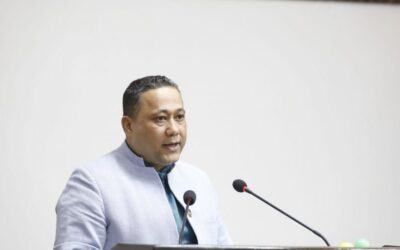
The Iranian government didn’t immediately respond to the development, but parliament member Manouchehr Mottaki — who was Iran’s top diplomat for five years in the 2000s — warned of a swift reaction to any move to trigger the snapback mechanism.
He said the Iranian parliament has a “finger on the trigger” for quitting the Nuclear Non-proliferation Treaty, or NPT, the international treaty aimed at halting the spread of nuclear weapons. “We only need 24 hours to approve quitting the nuclear deal,” if the E3 raises the issue at the U.N. Security Council, Mottaki said.
The letter from the E3 comes following a period of apparent diplomatic deadlock after a 12-day war between Iran and Israel in June, where Israeli and American jets struck some key nuclear-related facilities in the Islamic Republic.
The countries met with Iranian officials last month in Turkey at Iran’s consulate building in Istanbul on the possibility of reimposing international sanctions, lifted in 2015 in exchange for Tehran accepting restrictions and monitoring of its nuclear program.
Iran’s Foreign Ministry spokesman, Esmail Baghaei, said at the time that he hoped that the meeting would see the E3 nations reassess their “previous unconstructive attitude.”
Since the war, talks with Washington for a new nuclear deal haven’t resumed, and Iran has since suspended ties with the International Atomic Energy Agency, the U.N. nuclear watchdog, following the attacks. The IAEA’s first visit to Iran since the war didn’t entail any visits to nuclear facilities Monday, and cooperation wasn’t officially restored.
One of the three countries opting to trigger the snapback mechanism would renew sanctions on Iran, but Tehran renewing cooperation with the Vienna-based IAEA and addressing concerns about its highly-enriched uranium stockpile would delay it, according to a diplomat who spoke to The Associated Press on condition of anonymity following July’s meeting in Istanbul.
Iran has had limited IAEA inspections in the past as a pressure tactic in negotiating with the West and it is unclear how soon talks between Tehran and Washington for a deal over its nuclear program will resume.
German Foreign Ministry spokesperson Josef Hinterseher on Wednesday said that the letter “once again underlines that the legal preconditions for snapback have long existed.”
“Our position and our appeal is, very clearly, that Iran still has the choice of deciding to return to diplomacy … and full cooperation with the IAEA,” he told reporters at a regular news conference in Berlin.
U.S. intelligence agencies and the IAEA had assessed Iran last had an organized nuclear weapons program in 2003, though Tehran had been enriching uranium up to 60% — a short, technical step away from weapons-grade levels of 90%.
The IAEA didn’t immediately respond to a request for comment Wednesday.
___
Kareem Chehayeb reported from Beirut. Geir Moulson contributed to this report from Berlin.