

Thousands of undocumented Nepali immigrants have also been waiting for years for a residence permit.
By Dinesh Giri, BARCELONA:- The Spanish government has announced a program to legalize illegal immigrants, with nearly 900,000 applications received so far. The program, which was initially expected to receive only 500,000 applications, has seen demand far exceed expectations, the Spanish immigration ministry said on Monday.
Spain, which has been seen as open to immigration even as other European countries are closing their borders, has taken this step. The main aim of the measure is to integrate undocumented migrants into the formal labor market.
According to the non-profit organization ‘CAR’ that works for refugee assistance, the number of applicants is estimated to exceed one million with two weeks left until the end of the program.
Spain’s economic growth has been far ahead of most European countries in the past two years, thanks in part to immigrants, who have filled labor shortages in key sectors such as hotels and tourism and elderly care. They have also bolstered the economy by contributing to social security funds.
According to the ministry, Spain has issued 360,000 temporary work permits since April, which is about 40 percent of the total applications. Migrants are allowed to start working as soon as their applications are included in the process.
According to Pilar Cancela, Minister of State for Immigration, the government has the capacity to handle up to one million applications between April and June. However, she clarified that the number of people granted permits will be lower than the number of applications.
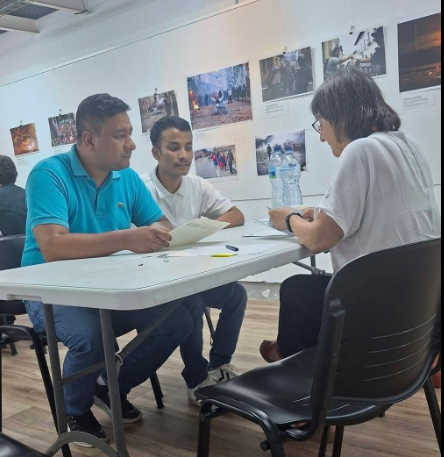
Spain’s immigration system has long been plagued by delays. Thousands of migrants from countries like Colombia or Senegal have been waiting for years to be granted refugee status, with more than 90 percent of applications rejected.
According to the think tank Funcas, these strict policies have left some 840,000 undocumented immigrants waiting for years for other forms of residency permits, forcing them to stay in the country and work in the informal sector without documents until the legal process is completed.
“This is an extraordinary program, but permanent structural measures are needed to ensure easy access to work and residence permits to prevent the formation of a group of people marginalized in society,” CEAR director Monica Lopez said at a press conference on Monday.
According to Santosh Shrestha, president of the Non-Resident Nepalese Association, (NRNA) Spain, thousands of undocumented Nepali immigrants have also been waiting for years for a residence permit. They are forced to stay in the country and work in the informal sector without documents until the legal process is completed.



