By SOPHIA TAREEN and CHRISTINE FERNANDO, CHICAGO (AP):- Chicago has entered what many consider a new uneasy phase of a Trump administration immigration crackdown that has already led to thousands of arrests.
While a U.S. Border Patrol commander known for leading intense and controversial surges moved on to North Carolina, federal agents are still arresting immigrants across the nation’s third-largest city and suburbs.
A growing number of lawsuits stemming from the crackdown are winding through the courts. Authorities are investigating agents’ actions, including a fatal shooting. Activists say they are not letting their guard down in case things ramp up again, while many residents in the Democratic stronghold where few welcomed the crackdown remain anxious.
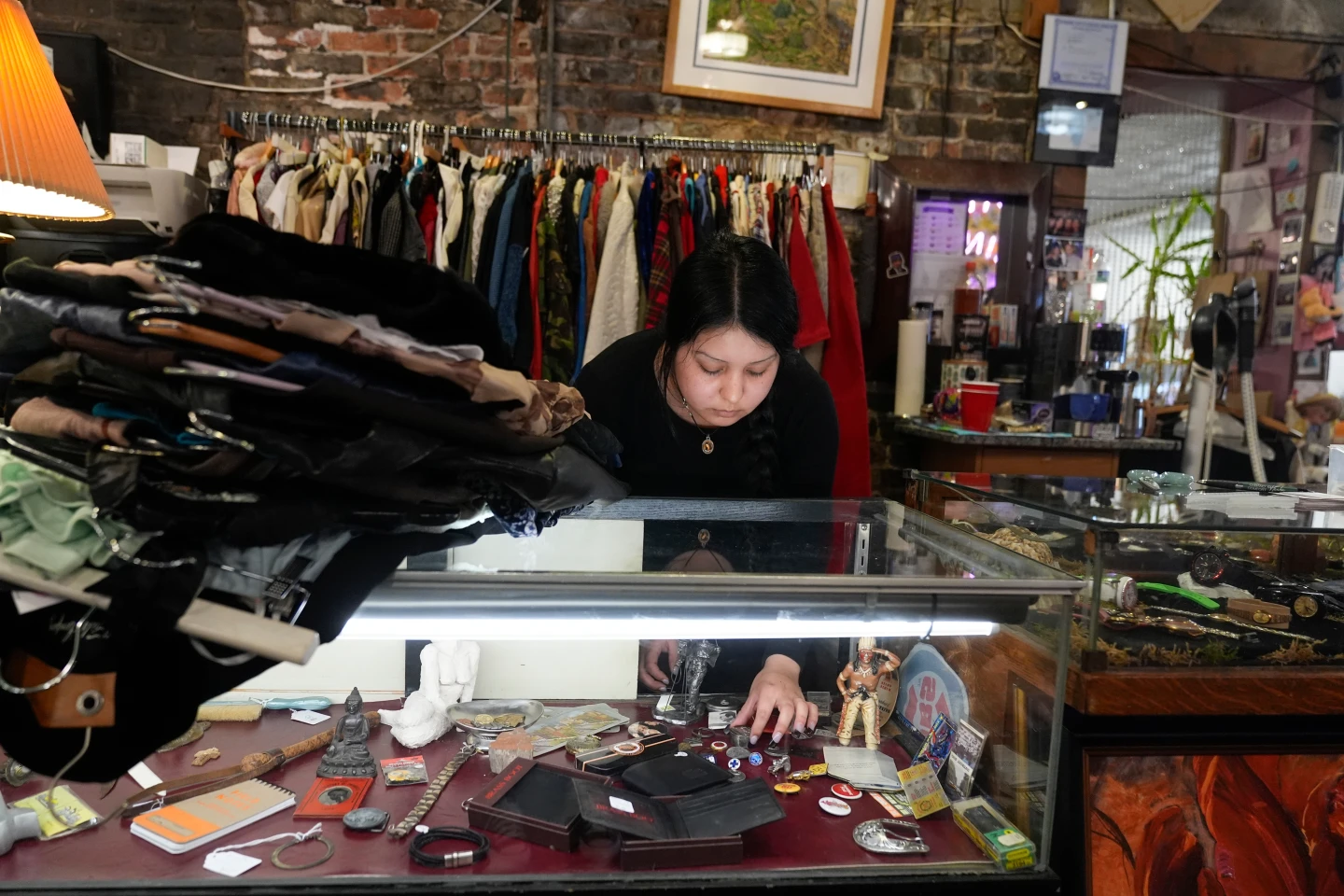
“I feel a sense of paranoia over when they might be back,” said Santani Silva, an employee at a vintage store in the predominantly Mexican neighborhood of Pilsen. “People are still afraid.”
Intensity slows, but arrests continue
For more than two months, the Chicago area was the focus of an aggressive operation led by Gregory Bovino, a Border Patrol commander behind similar efforts in Los Angeles and soon Louisiana.
Armed and masked agents used unmarked SUVs and helicopters throughout the city of 2.7 million and its suburbs to target suspected criminals and immigration violators. Arrests often led to intense standoffs with bystanders, from wealthy neighborhoods to working-class suburbs.
While the intensity has died down in the week since Bovino left, reports of arrests still pop up. Activists tracking immigration agents said they confirmed 142 daily sightings at the height of the operation last month. The number is now roughly six a day.
“It’s not over,” said Brandon Lee with the Illinois Coalition for Immigrant and Refugee Rights. “I don’t think it will be over.”
Suburb under siege
Bearing the brunt of the operation has been Broadview, a Chicago suburb of roughly 8,000 people that has housed a U.S. Immigration and Customs Enforcement processing center for years.
Protests outside the facility have grown increasingly tense as federal agents used chemical agents that area neighbors felt. Broadview police also launched three criminal investigations into federal agents’ tactics.
Community leaders took the unusual step of declaring a civil emergency this week and moving public meetings online.
Broadview Mayor Katrina Thompson said the community has faced bomb threats, death threats and violent protests because of the crackdown.
“I will not allow threats of violence or intimidation to disrupt the essential functions of our government,” Thompson said.
Questionable arrests and detentions
The U.S. Department of Homeland Security has touted more than 3,000 arrests, but the agency has provided details on only a few cases where immigrants without legal permission to live in the country also had a criminal history.
The Trump administration takes to social media to posts photos of supposed violent criminals apprehended in immigration operations, but the federal government’s own data paints a different picture.
Of 614 immigrants arrested and detained in recent months around Chicago, only 16, less than 3%, had criminal records representing a “high public safety risk,” according to federal government data submitted to the court as part of a 2022 consent decree about ICE arrests. Those records included domestic battery and drunken driving.
A judge in the cases said hundreds of immigrant detainees qualify to be released on bond, though an appeals court has paused their release. Attorneys say many more cases will follow as they get details from the government about arrests.
“None of this has quite added up,” said Ed Yohnka with the American Civil Liberties Union of Illinois, which has been involved in several lawsuits. “What was this all about? What did this serve? What did any of this do?”
Investigations and lawsuits
The number of lawsuits triggered by the crackdown is growing, including on agents’ use of force and conditions at the Broadview center. In recent days, clergy members filed a lawsuit against the Trump administration, alleging they were being blocked from ministering inside a facility.
Federal prosecutors have also repeatedly dropped charges against protesters and other bystanders, including dismissing charges against a woman who was shot several times by a Border Patrol agent last month.
Meanwhile, federal agents are also under investigation in connection with the death of a suburban man fatally shot by ICE agents during a traffic stop. Mexico’s president has called for a thorough investigation, while ICE has said it did not use excessive force.
An autopsy report, obtained by The Associated Press this week, showed Silverio Villegas González died of a gunshot wound fired at “close range” to his neck. The death was declared a homicide.
In October, the body of the 38-year-old father who spent two decades in the U.S. was buried in the western Mexico state of Michoacan.
A chilling effect
Many of the once bustling business corridors in the Chicago area’s largely immigrant communities that had quieted down were seeing a buzz again with some street vendors slowly returning to their usual posts.
Andrea Melendez, the owner of Pink Flores Bakery and Cafe, said she has seen an increase in sales this week after struggling for months
“As a new business, I was a bit scared when we saw sales drop,” she said. “But this week I’m feeling a bit more hope that things may get better.”
Eleanor Lara, 52, has spent months avoiding unnecessary trips outside her Chicago home, fearful that an encounter with immigration agents could have dire consequences.
Even as a U.S. citizen, she is afraid and carries her birth certificate. She is married to a Venezuelan man whose legal status is in limbo.
“We’re still sticking home,” she said.








Comments