By STEVE KARNOWSKI, ST. PAUL, Minn. (AP):- Attorneys for two Minnesota school districts and the state’s main teachers union asked a federal judge Wednesday to block a Trump administration change in policy that gave immigration authorities a freer hand to conduct enforcement actions in and near schools.
The Department of Homeland Security last year rescinded longstanding nationwide restrictions on immigration enforcement in or near “sensitive locations” such as schools and school bus stops, churches and hospitals that effectively made them off limits except in rare circumstances.
The Fridley and Duluth school districts, and the Education Minnesota union, sued to block the new policy in February, at a time when the Department of Homeland Security had sent around 3,000 federal officers into the state for Operation Metro Surge. Federal agents involved in the crackdown killed two citizens in Minneapolis in January.
The plaintiffs asked the court Wednesday for either a stay or preliminary injunction that would restore the previous restraints.
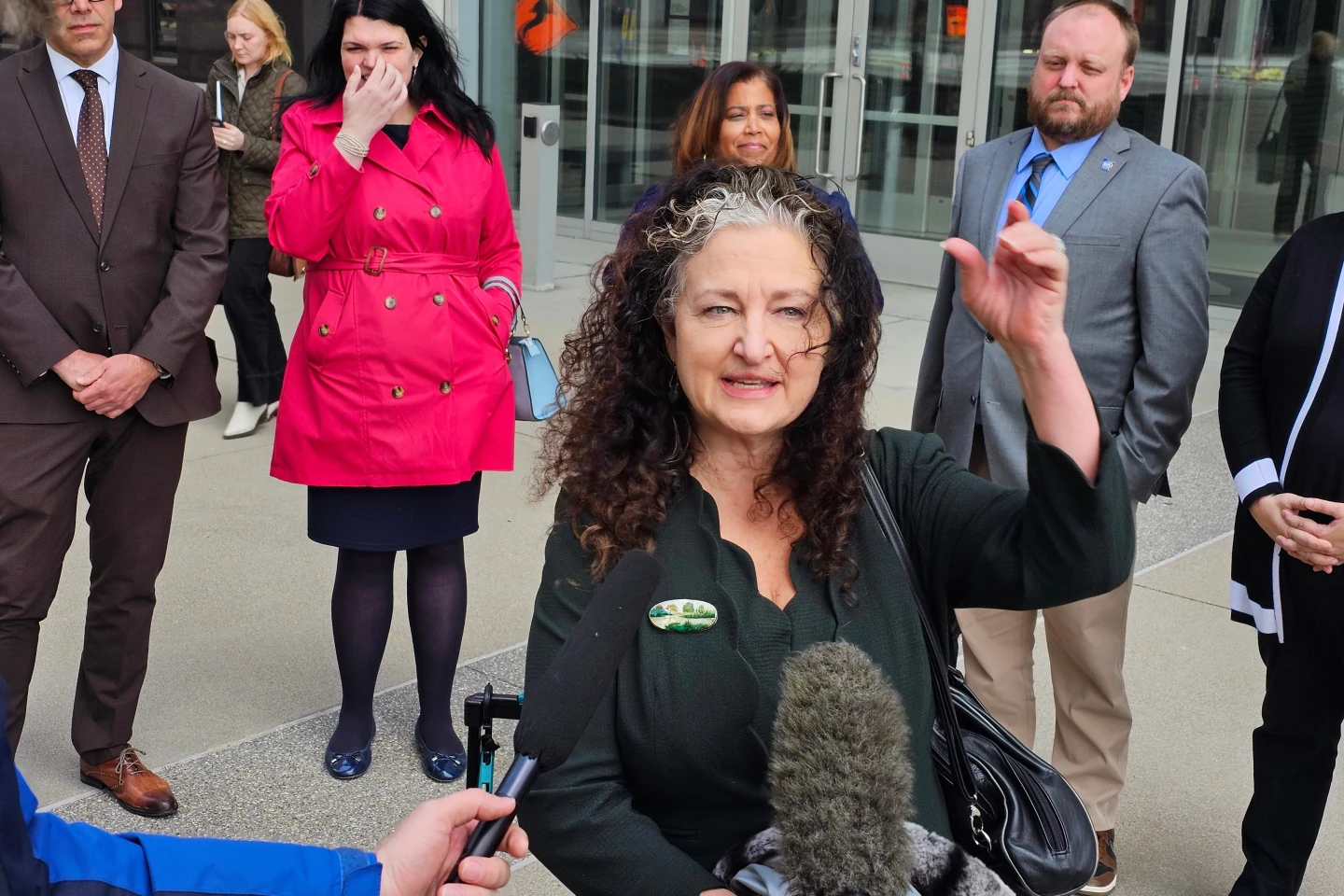
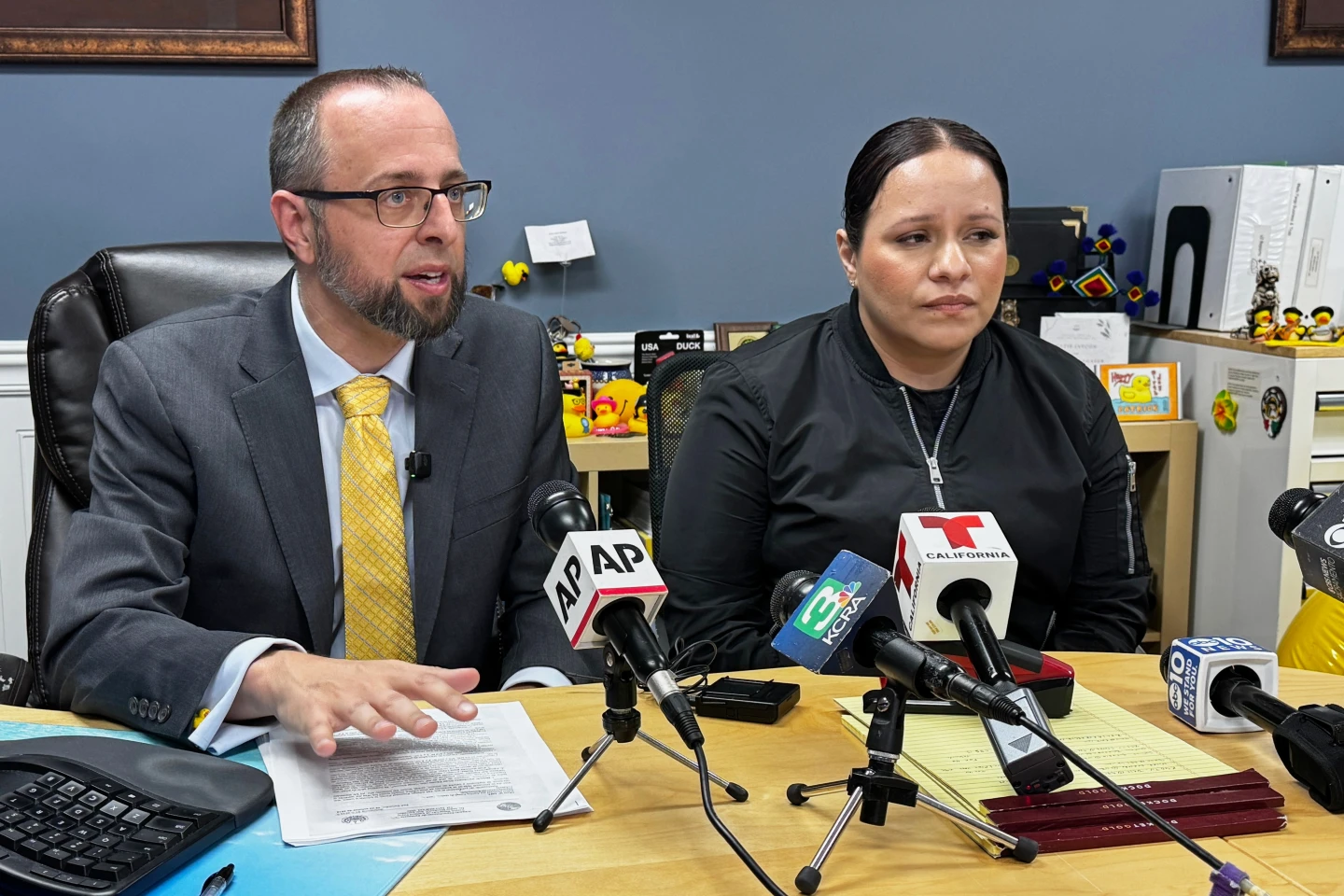
Attorney Amanda Cialkowski, who represents the district and union, told reporters afterward that it was unclear if a ruling in their favor would apply outside of Minnesota, or to other “sensitive locations” like churches and hospitals.
“We’ll just have to wait and see what the judge does,” she said.
Teachers across the country have detailed the ways Trump’s immigration crackdown has shaped their work and the lives of their students. In court filings in an ongoing case filed by national teachers unions in federal court in Oregon, educators described rumors of raids that scared away students, immigrant parents who stopped sending their children to school altogether, and stories of parents and students being arrested at bus stops.
And a demand by Democrats that federal authorities refrain from enforcement operations around schools, churches and hospitals is one of the unresolved disputes in the standoff between Congress and the administration over funding for Homeland Security.
The arguments before U.S. District Judge Laura Provinzino on Wednesday hinged mostly on complicated legal issues of whether the districts and union had legal standing to sue, and could show they had been directly harmed by the policy change, and whether the new guidance counted as the kind of final agency decision that a court would have the legal authority to review.
Justice Department attorney Jessica Lundberg said “swapping out” last year’s policy guidance for the previous guidance, as the plaintiffs want, wouldn’t really have a meaningful impact. Even under the old rules, she said, enforcement action in and around schools was always a possibility.
Provinzino said she would rule “as quickly as I can … but also making sure I get it right.”
The superintendents of both the Fridley district, in suburban Minneapolis, and the Duluth district, in northern Minnesota, were in the courtroom for the arguments.
Fridley Superintendent Brenda Lewis said that the change “deeply impacted” attendance because families did not feel safe in sending their children to school. She said her schools had to pivot to virtual learning for many students, which put an additional strain on resources.
The superintendent also said her district has lost 72 students since December, which has hurt funding that was dependent on the numbers of pupils and meals served. Some enrolled in districts they considered safer, while others have left the country, and some are in detention centers, she said.
While the official end of Operation Metro Surge means Fridley hasn’t seen ICE officers on school property in eight weeks, Lewis said the impacts will last for many years.
Duluth Superintendent John Magas pointed out that his district — which is about 150 miles north of Minneapolis — is well outside the Twin Cities metro area but started feeling the effects of the policy change long before the surge.
School districts across the Twin Cities area saw absenteeism spike during the crackdown. In St. Paul, over 9,000 students were absent in mid-January, more than a quarter of the district, according to attendance data obtained by The Associated Press.
Minneapolis Public Schools had over 8,000 students stay home on the last school day in January, close to 30% of students. And Fridley saw attendance drop by nearly a third, according to court filings.
___
Sharon Lurye, data reporter for The Associated Press’ Education Reporting Network, contributed to this story from Philadelphia.









Comments