Governor Newsom announces next round of television tax credits, adding animated and competition shows for the first time 16 television projects selected, including the latest season of award-winning hit show The Pitt, a new Family Guy spinoff, and a new Jimmy Kimmel competition show
-
SACRAMENTO:- Governor Gavin Newsom today announced that 16 television projects have been approved for this year’s first round of California Film & Television Tax Credit Program awards. The slate includes new series, returning hit shows, projects filming on certified soundstages, and, for the first time in the program’s history, animated and competition shows. Today’s awarded projects represent $871 million in qualified in-state spending, inclusive of $489 million in qualified wages – and thousands of California jobs.
Governor Gavin Newsom said, “California’s creative economy isn’t just part of who we are — it helps power this state forward. From the folks on the soundstage to the people designing the sets, these are jobs that anchor communities. I’m pleased to expand this award to animated and competition shows, helping advance the strongest entertainment economy in the nation and bringing even more good-paying jobs to California.”
The program continues to deliver on its goal of getting people back to consistent work, with this latest round of projects expected to employ an estimated 4,500 cast and crew, along with 50,687 background performers (measured in days worked) over the course of 1,200 filming days statewide.
“Including new eligible categories in our tax credit program, such as animation and competition shows, creates even more opportunities for the talented cast, crew and small businesses across our state,” said Colleen Bell, Director of the California Film Commission. “Additionally, our Soundstage Tax Credit Program has served to add another pathway for productions to benefit from California’s incentives while strengthening our world class production infrastructure.”
This round adds new eligible categories, animation and competition shows, and will award three projects in these categories that together are expected to generate over 700 cast and crew jobs along with $46 million in qualified in-state spending, including $33 million in qualified wages. These additions highlight the program’s commitment to supporting a broad range of creative formats and storytelling approaches.
Animation series added to the program
The selected animation projects include President Curtis (Adult Swim) and STEWIE (20th Television Animation), a spin-off from the successful and long-running Family Guy series.
“We are thrilled to be recognized by the California Film Commission’s Tax Credit Program as its first animated series,” said Dan Harmon, creator, writer, and producer of President Curtis. “Our crew is the best in the business, and the Tax Credit Program will allow us to prevent outsourcing and hire more Los Angeles-based talent.”
First-ever competition show awarded
SCHOOLED! from Mark Rober and Jimmy Kimmel will also join the program as the first-ever competition series to receive an award.
“We are grateful to be the first competition series selected by the California Film Commission to receive tax credits in California,” said Jimmy Kimmel, executive producer of SCHOOLED!. “Mark Rober’s goal is to teach students about science and engineering, and we are proud to create jobs and produce fun, educational programming that does just that right here in our beautiful state.”
“Huge shoutout to the California Film Commission for helping make SCHOOLED! possible right here in my home state of California,” said Mark Rober, creator and executive producer of SCHOOLED!. “This place is full of brilliant, creative people who make ambitious ideas like this series possible. We’re gonna inspire the next generation of engineers and problem solvers. Let’s go!”
New, returning, and relocating shows awarded
Three new television projects were approved for credits, including the first season of A Hundred Percent (Netflix) and Untitled Schaffer Comedy Pilot (Inclined Productions, Inc.).
Several established television series will continue production in California, including Season 3 of the award-winning drama The Pitt (Parallax). The series has earned widespread recognition this awards season, including Emmy wins for Outstanding Lead Actor and Supporting Actress for Noah Wyle and Katherine LaNasa, along with top honors for Best Series/Drama and Outstanding Ensemble Cast across the Emmys, Golden Globes, Critics Choice, and the Actor Awards.
“We’re thrilled to produce The Pitt right here in California, a state where so many of our cast and crew call home,” said John Wells, executive producer, and Noah Wyle, executive producer and star. “Being able to produce the show on the Warner Bros. Lot in Burbank, with over 300 cast and production members working every day, underscores the value of the California production incentive program. We’re thankful for the opportunity to stay local and look forward to another production season.”
High Potential (20th Television) will also return to the program for Season 3, adding to the roster of returning series that continue to drive economic activity and production job opportunities in the Los Angeles area.
Further reinforcing California’s position as the premier destination for film and television production, this round of awards includes one relocating series that is expected to deliver $129 million in qualified expenditures to the state’s economy.
Robby and the battling savants try and diagnose DKA Orlando. (Warrick Page/MAX)
Expanding California’s production infrastructure
Four projects were approved under the state’s Soundstage Tax Credit Program, which supports expanded studio infrastructure and long-term production capacity. Projects filming on certified soundstages include:
How to Survive Without Me (Warner Bros. Television)
I Love LA, Season 2 (Cooler Waters Productions)
I Suck at Girls, Season 1 (Warner Bros. Television)
“The California Soundstage Program is a huge boost to our show, which will film in and around Los Angeles,” said Rachel Sennott and Emma Barrie, co-showrunners, writers, and executive producers of I Love LA. “It enables us to showcase the city we love and create meaningful jobs and new opportunities. We are truly grateful to be part of such an outstanding program.”
The Soundstage Program has helped support the certification of soundstages statewide, including Universal City Studios (23 soundstages), Paramount Pictures, and The Ranch at Warner Bros. (16 soundstages), helping ensure California remains competitive in the global production marketplace.
About California’s Film & Television Tax Credit Program
The California Film Commission (CFC) administers the Film & Television Tax Credit Program. Earlier this year, the Governor more than doubled California’s Film and Television Tax Credit program — from $330 million to $750 million — and implemented key updates to keep production, below-the-line jobs, and investment rooted in California.
Since its inception in 2009, California’s Film & Television Tax Credit Program has generated over $30.6 billion in economic activity and supported more than 228,000 cast and crew jobs across the state. In years past, for every dollar of tax credit awarded, California has seen massive returns — $24.40 in economic output, $16.14 in GDP and $8.60 in wages.
The expanded program — now one of the largest capped film incentives in the nation — maintains California’s competitive edge in the creative economy while continuing to prioritize workforce diversity provisions, more funding for the Career Pathways Training Program, and the nation’s first Safety on Production Pilot Program.




 First-ever competition show awarded
 New, returning, and relocating shows awarded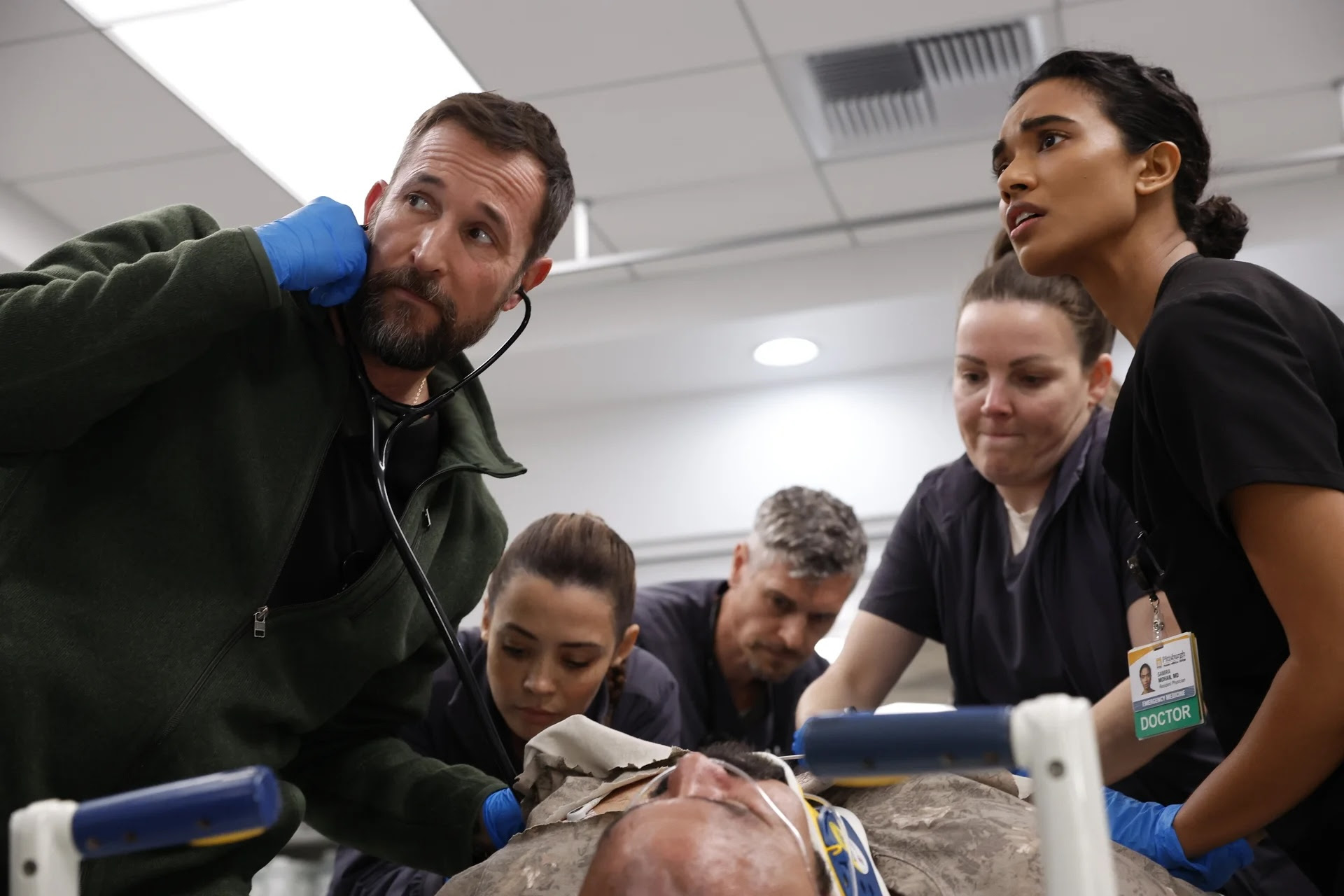
 About California’s Film & Television Tax Credit Program





Comments