SACRAMENTO:- Today, Governor Gavin Newsom announced that the Wildlife Conservation Board (WCB) approved $59,642,096 in grants to protect biodiversity, restore important wildlife habitats, and improve public access to nature.
Governor Gavin Newsom said, “In California, conservation involves everyone – these grants further our work to get people outside and into nature, as part of our strategy to protect and restore our unique ecosystems.”
These grants will support 27 projects across 18 counties, including four projects that advance the California Salmon Strategy for a Hotter, Drier Future, and others investing in wildlife corridors and wildlife-oriented recreation.
This work furthers the Governor’s goal of conserving 30% of California’s lands and coastal waters by 2030, known as 30×30. This initiative seeks to protect California’s biodiversity—this state is one of the world’s 36 biodiversity hotspots—while expanding access to nature for all Californians.
 Advancing wildlife crossings in Southern California
A $5.5 million grant to Mojave Desert Land Trust (MDLT) will fund environmental review and design for two wildlife crossings over State Route 62 near Yucca Valley, reconnecting habitat between the San Bernardino and Little San Bernardino mountains, including Joshua Tree National Park.“Desert communities exist at the intersection of people, wildlife, and wide-open landscapes,” said Kelly Herbinson, executive director of MDLT. “The proposed wildlife crossings will restore natural movement of animals, reduce dangerous wildlife-vehicle collisions, and strengthen the ecosystems that sustain us. Thanks to WCB and our partners, we can invest in solutions that protect wildlife while supporting safer roads and resilient communities.”
An additional $4 million grant to Temecula-Elsinore-Anza- Murrieta Resource Conservation District (TEAM), in cooperation with The Nature Conservancy (TNC), will advance design of a crossing over Interstate 15 at Rainbow Canyon, restoring connectivity between the Santa Ana and Palomar mountains for mountain lions and other wide-ranging species.
“This grant is a crucial step in restoring habitat connectivity in the Palomar Corridor,” said Angus McLean, wildlife corridors and crossings project manager at TNC. “WCB’s support will help dozens of wildlife species, including threatened mountain lions, move, adapt, and thrive amid a changing climate.”
 Investing in the Governor’s salmon strategy
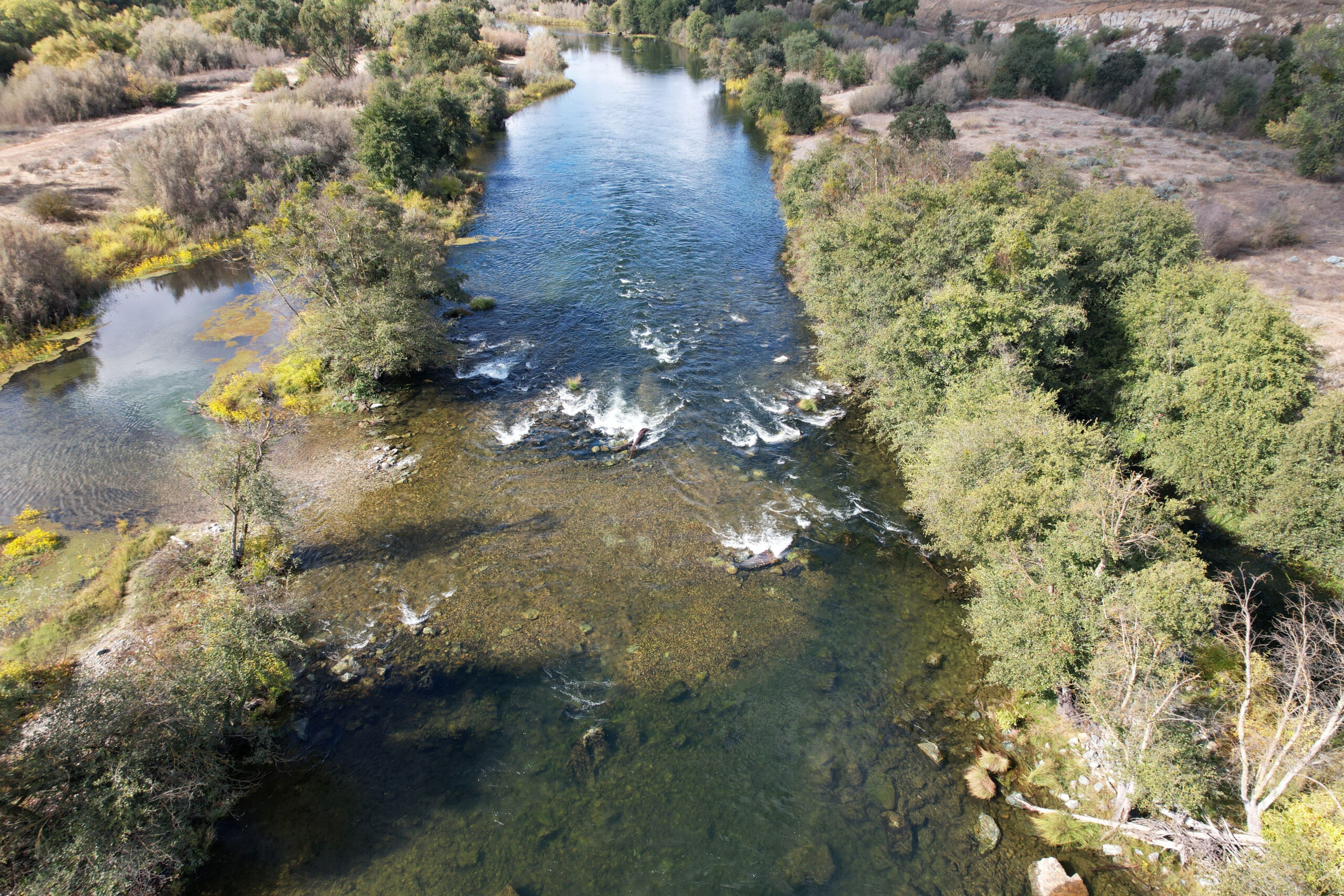
A $2.9 million grant to California Trout Inc. supports the restoration of the East Fork Scott River at Beaver Valley Headwaters Preserve in Siskiyou County. The project, led in part by the North Coast Regional Water Quality Control Board (NCRWQCB), will add side channels, alcoves, and large wood structures; reconnect floodplains; and improve summer flows for coho salmon.
“Beaver Valley Headwaters Preserve incorporates multiple cold-water tributaries in one corridor,” said Eli Scott, senior environmental scientist for NCRWQCB. “This project is a huge opportunity to build habitat for coho salmon and give them a foothold.”
A $1.1 million grant will support the Lagunitas Creek Aquatic Habitat Enhancement project to restore stream habitat for coho salmon, steelhead trout, and other native species. Marin Municipal Water District (MMWD) is working on this project in cooperation with the California Department of Water Resources.
“We are grateful to WCB for their support on this project,” said Jed Smith, president of the MMWD Board of Directors. “Through this collaboration, we are making meaningful progress in enhancing Lagunitas Creek and strengthening our watershed.”
A $1.85 million grant to Chico State Enterprises will restore floodplains and habitat on lower Battle Creek in Tehama County for endangered salmon and steelhead, including construction of a side channel, removal of 1,700 linear feet of defunct levee, and placement of large wood and boulders to create salmon habitat.
A $1.5 million grant to Sonoma County Regional Parks will restore spawning habitat and ecosystems for coho, Chinook, and steelhead trout on Mark West Creek in Sonoma County.
Enhancing biodiversity at Pepperwood Preserve
A $1.75 million grant to Pepperwood Foundation (PF), in cooperation with Conservation Corps North Bay, will restore 893 acres of oak woodland and grasslands in Sonoma County. The project reduces fuel loads, enhances biodiversity, restores native grasslands and oak woodlands, and brings back cultural burning as part of land stewardship.
“The Pepperwood project will enhance wildlife habitat in a biodiversity ‘hot spot’ in the Mayacamas Mountains of Sonoma Count Insert Horizontal Liney,” said Michael Gillogly, preserve manager for PF. “Oak woodlands and native grasslands provide habitat for wildlife and pollinators threatened by poor stewardship and development. The project includes indigenous cultural fire, forest thinning, grassland restoration, and invasive species treatments.”
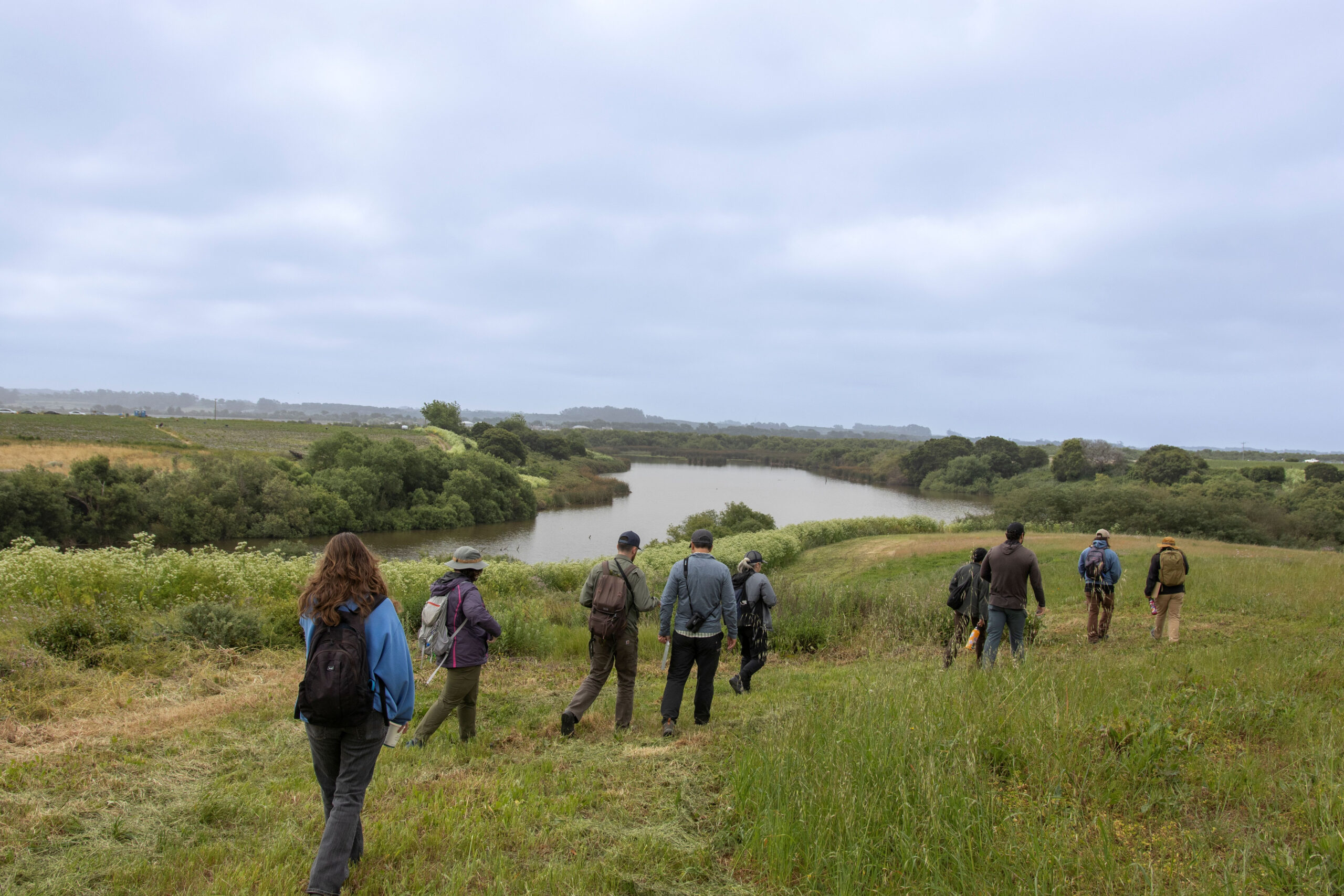
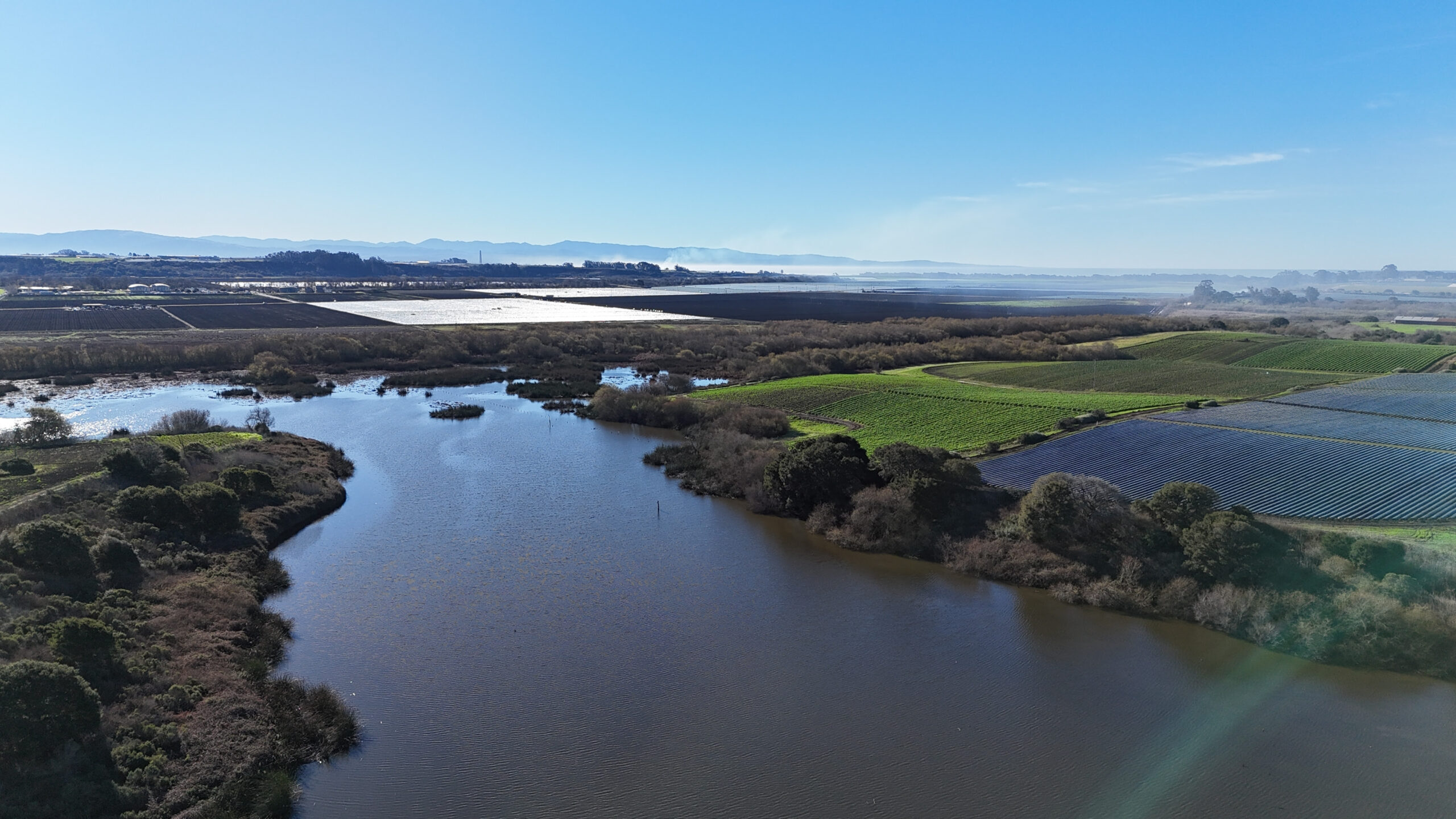
Expanding public access at Watsonville Slough
A $4.88 million grant to the Land Trust of Santa Cruz County (LTSCC) will construct a five-mile trail network and new visitor amenities at Watsonville Slough Farm. The project will provide free access to wetlands, grasslands, and working agricultural lands, with bilingual interpretation, educational programming, and improved connections for underserved communities.“I am so pleased that the Watsonville Slough Trails project has been approved!” said Senator John Laird (D-Santa Cruz). “The project will open the outdoors for young people and others who have historically been excluded from such opportunities. Hats off to WCB for its vision and support, which will enable people to explore and feel inspired by the natural world in this beautiful region of the Central Coast.”
“At LTSCC, we believe everyone should be able to connect with nature and learn from our incredible wild and working lands,” said Sarah Newkirk, executive director of LTSCC. “This funding from WCB will help people of all ages immerse themselves in nature and learn about the native habitat and sloughs that make Santa Cruz County special.”
About the Wildlife Conservation Board Established in 1947, the Wildlife Conservation Board protects, restores, and enhances California’s spectacular natural resources for wildlife and the public’s use and enjoyment. WCB works in partnership with tribes, conservation groups, government agencies, and the people of California to safeguard biodiversity and expand access to nature.









Comments