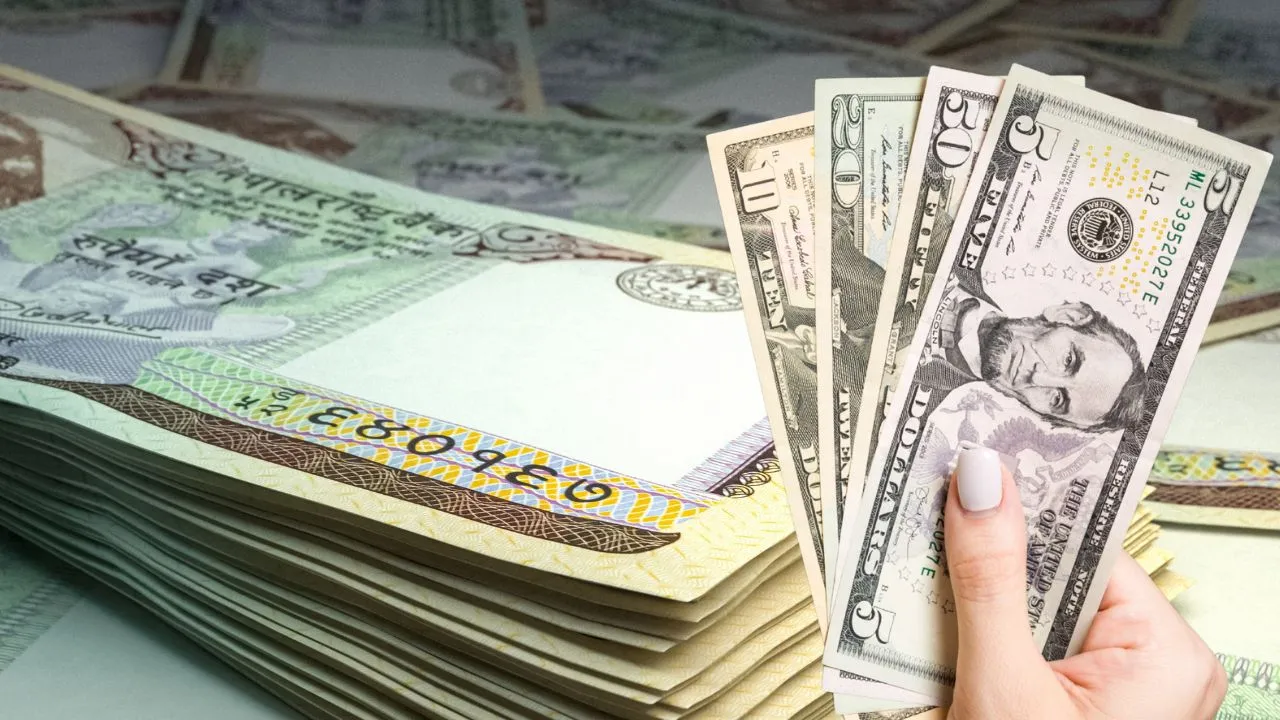
By Kishor Panthi, NEW YORK:- After January 1, you will have to pay an additional 1 percent tax when sending money outside the United States. This new law targets cash-based international money transfers, which include cash, money orders, cashier’s checks, or other similar physical means as determined by the Secretary of the Treasury.
However, this tax will not apply to transfers made using debit or credit cards issued in the United States or withdrawals from accounts held at financial institutions that comply with anti-money laundering regulations.
“Those who send cash through money transfers will be affected by this rule. They will also have to pay an additional 1 percent tax on the amount they send.” “But those sending money using ACH, a debit or credit card issued in the US, will not have to pay the 1 percent tax,” said Pradeep Shrestha, CEO of Sanima Express, a money transfer company based in Jackson Heights, New York. Shrestha has suggested that those sending cash to Nepal from January 1st should be prepared to add 1 percent tax to the amount.
This US law aims to raise revenue and address irregular cash flows, with an estimated annual revenue collection of $10 billion. According to the law, the person sending the money must pay a 1 percent tax, while remittance transfer providers must collect this tax and remit it to the Treasury Department every quarter.
Remittance transfer providers must make their first semi-monthly tax deposit by January 29, 2026. However, some exemptions have been provided for remittance transfer providers for the first quarter.
Due to the challenges in implementing the new law, some exemptions have been granted for the first three months. They will still be able to avoid penalties if they fail to deposit the correct amount of tax required in the first quarter of 2026. But even if they miscalculated, they will still have to deposit the tax on time. They will also have to pay the entire amount of tax that was short by the deadline for submitting Form 720 for that quarter.
If the money transfer provider does not collect taxes from the sender at the time of the money transfer transaction, the sender will be responsible for this and will have to pay the amount to the government. This tax applies to all US citizens, including those who send remittances using cash, money orders, and cashier’s checks. This provision is expected to have a significant economic impact on the Nepali community living in the US.
Remittances play a significant role in Nepal’s economy. In 2023, Nepal received nearly $1.28 billion in remittances from the United States alone. More than $1 billion in remittances from the United States enters Nepal every year.
It is not clear how much of the more than $1 billion in remittances sent from the United States to Nepal is sent in cash or how much is sent via bank cards or ACH. But for example, even if only half the amount, i.e. $500 million, is sent in cash, the US government will still receive $5 million in taxes from the amount going to Nepal.
This will increase the cost of sending remittances. Currently, sending $200 from the US to Nepal costs an average of 3.64% ($13.59 in fees and 0.35% exchange rate margin), which is slightly above the UN Sustainable Development Goal of 3%. The new 1 percent tax will further increase this cost, which could increase the financial burden on Nepalese remittance senders.
Remittances flowing into Nepal make a significant contribution to poverty alleviation, education, health, and rural economic development. In 2022, 90% of Nepali adults used formal financial services, with 19 million people using mobile wallets. However, lack of digital literacy and 10.4% use of informal channels add challenges to the full utilization of remittances. Most remittances are withdrawn in cash, which reduces the rate of depositing funds into bank accounts.







Comments