


प्रतिनिधि सभा सदस्य निर्वाचन,चालिस संस्थाले पर्यवेक्षण गर्ने
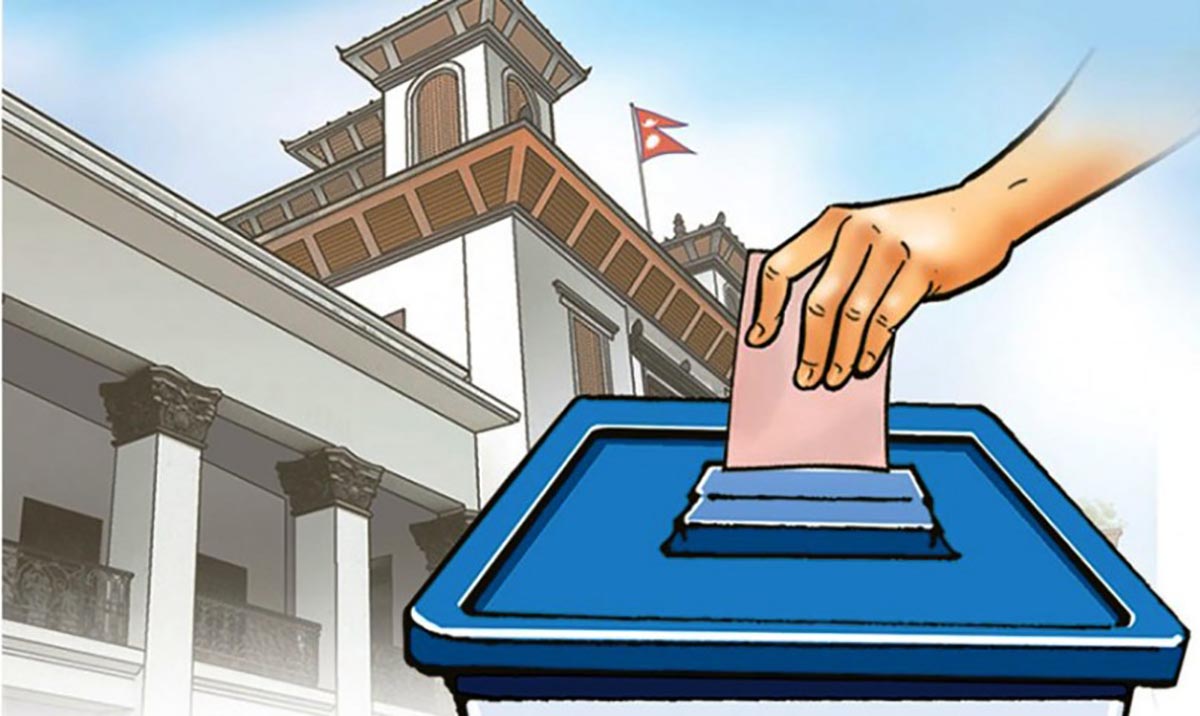
काठमाडौँ । निर्वाचन आयोगले आगामी प्रतिनिधि सभा सदस्य निर्वाचनका लागि ४० वटा संस्थालाई पर्यवेक्षणको अनुमति दिएको छ । राष्ट्रिय र अन्तर्राष्ट्रिय गरी पर्यवेक्षणका लागि ५१ वटा संस्थाले निवेदन दिएका थिए । राष्ट्रियतर्फ १० र अन्तर्राष्ट्रियतर्फ एउटा संस्थाको आवेदन स्वीकृत भएन । आयोग पदाधिकारीको बुधबारको बैठकले थप नौ वटा राष्ट्रिय संस्थालाई अनुमति दिँदा निर्वाचन पर्यवेक्षण गर्ने संस्थाको सङ्ख्या ४० पुगेको हो ।
आयोगका प्रवक्ता नारायणप्रसाद भट्टराईले ३६ वटा राष्ट्रिय र चार वटा अन्तर्राष्ट्रिय संस्थाले पर्यवेक्षणको अनुमति पाएको जानकारी दिनुभयो । उहाँले निवेदन दिएकामध्ये केहीले आंशिक पर्यवेक्षणको माग गरेकामा आयोगले त्यस्तो संस्थालाई अनुमति नदिएको प्रस्ट्याउनुभयो । प्रतिनिधि सभा तथा प्रदेश सभा सदस्य निर्वाचन, २०७९ मा ४४ वटा राष्ट्रिय र दुई वटा अन्तर्राष्ट्रिय संस्थाले अनुमति पाएका थिए । जसबमोजिम अन्तर्राष्ट्रिय दुई संस्थाका १२ जना र राष्ट्रिय ४४ संस्थाका सात हजार २०७ जनाले निर्वाचन पर्यवेक्षण गरेका थिए ।
निर्वाचन आयोग ऐन, २०७३ को दफा ६ ले
कुनै स्वदेशी वा विदेशी व्यक्ति वा संस्थालाई निर्वाचनसँग सम्बन्धित कामकारबाहीको पर्यवेक्षण गर्नका लागि आयोगले अनुमति दिन सक्ने व्यवस्था छ । ऐनको सो व्यवस्थाबमोजिम आयोगले आगामी प्रतिनिधि सभा सदस्य निर्वाचन पर्यवेक्षणका लागि गत कात्तिक ११ गते राष्ट्रिय तथा अन्तर्राष्ट्रिय संस्थाबाट निवेदन आह्वान गरेको थियो । आयोगका प्रवक्ता भट्टराईले अनुुमति प्राप्त गरेका पर्यवेक्षक संस्थाले आयोगले तयार गरेको सफ्टवेयरमा पर्यवेक्षणका लागि परिचालन हुने व्यक्तिको विवरण समावेश गर्ने र त्यसरी बुझाइएको विवरण आयोगले जाँच गरेर स्वीकृत गर्ने बताउनुभयो । निर्वाचनको
निष्पक्षता अभिवृद्धि गर्न तथा पर्यवेक्षणद्वारा निर्वाचनको विश्वसनीयता बढाउन आयोगले तटस्थ संस्थाबाट पर्यवेक्षण गराउँदै आएको छ । आयोगका अनुसार डेमोव्रmेसी रिसोर्स सेन्टर, निर्वाचन पर्यवेक्षण समिति नेपाल, नेपाल मतदाता अधिकार मञ्च, राष्ट्रिय निर्वाचन पर्यवेक्षण समिति (नियोक), प्राज्ञिक विद्यार्थी परिषद्, नेपाल जनप्रशासन सङ्घलगायतले पर्यवेक्षणको अनुमति पाएका छन् ।
व्यापारिक सङ्गठनलाई पनि अनुमति
निर्वाचन आयोगले आगामी निर्वाचनको अनुगमन गर्न व्यापारिक सङ्घ संस्थालाई समेत अनुमति दिएको छ । नाडा अटोमोबाइल्स एसोसिएसन अफ नेपाल, नेपाल उद्योग वाणिज्य महासङ्घ, नेपाल चेम्बर अफ कमर्सलगायतका व्यापार÷व्यवसायको हकहित र अधिकारका लागि सङ्गठित संस्थाले समेत निर्वाचन पर्यवेक्षणको अनुमति पाएका छन् ।
आयोगले निर्वाचन पर्यवेक्षण निर्देशिका सार्वजनिक गरेको छैन । निर्वाचन आयोग ऐनले भने के कस्तो संस्थालाई पर्यवेक्षणको अनुमति दिने सम्बन्धमा स्पष्ट किटान गरेको छैन तर मानव अधिकार, महिलाको अधिकार, अपाङ्गता भएका व्यक्तिको अधिकार, अल्पसङ्ख्यकलगायत मतदाताको अधिकार सम्बन्धमा वकालत गर्ने सङ्घ संस्थाले पर्यवेक्षणको अनुमति माग्ने र पाउने गरेका छन् ।
कार्टर सेन्टर पुनः फर्कियो
निर्वाचन आयोगका अनुसार २०७० को संविधान सभाको निर्वाचनपछि पर्यवेक्षक संस्था कार्टर सेन्टर पहिलो पटक नेपालको निर्वाचनको पर्यवेक्षण गर्ने छ । सो संस्थाले समेत पर्यवेक्षणका लागि निवेदन दिएकोमा आयोगले अनुमति दिएको छ । आयोगका प्रवक्ता भट्टराईले ‘एसियन नेटवर्क फर फ्री इलेक्सन’, ‘दी मल्टिडिसिप्लेनरी इन्स्टिच्युट अफ ट्रेनिङ एन्ड लर्निङ, मासास्युट’ र ‘इन्टरनेसनल रिपब्लिकन इन्स्टिच्युट’ ले निर्वाचन पर्यवेक्षणको अनुमति पाएका छन् । त्यसै गरी आयोगले निर्वाचन व्यवस्थापनसम्बन्धी दक्षिण एसियाली निर्वाचन आयोगको सङ्गठन ‘फेम्बोसा’ का सदस्य राष्ट्रलाई समेत निर्वाचन अवलोकनका लागि आग्रह गर्दै छ ।


